
De Pijp Amsterdam: Markets, Bars and Where to Eat
De Pijp Amsterdam: Markets, Bars and Where to Eat
Contenidos de esta página sobre Amsterdam
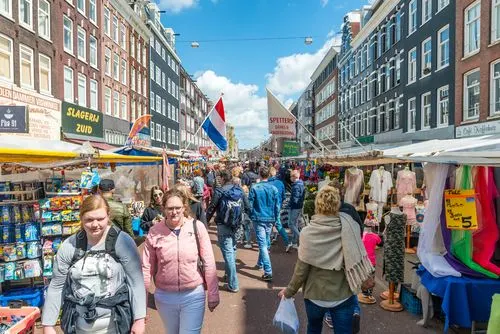
De Pijp is a lively, bohemian Amsterdam neighborhood. De Pijp means «the pipe» or «the tube.» Some say it's because the streets resemble a network of pipes.
The truth is nobody really knows where the name comes from, but this is one of the areas of Amsterdam with the most cafes, bars and restaurants, and plenty of buzz thanks largely to the Albert Cuyp Market, the largest open-air market in Europe.
Here's what to see in De Pijp.
Amsterdam's bohemian neighborhood
De Pijp sits on an island just south of Amsterdam's historic center, and you could easily call it Amsterdam's answer to Paris's Latin Quarter.
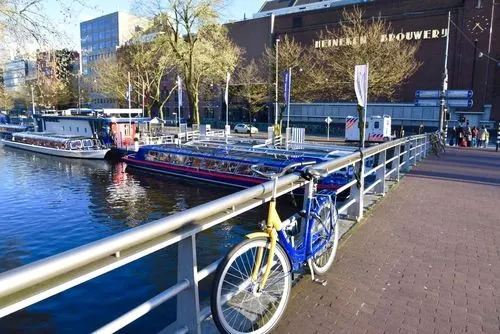
While it doesn't have many big-ticket attractions (the Heineken Experience and the Albert Cuyp Market aside), it's one of the most interesting Amsterdam neighborhoods to explore.
What to see in De Pijp
After a stroll through the Albert Cuyp Market, a great idea is to unwind in Sarphatipark, a lovely 4.5-hectare English-style park with a statue of Samuel Sarphati at its center.
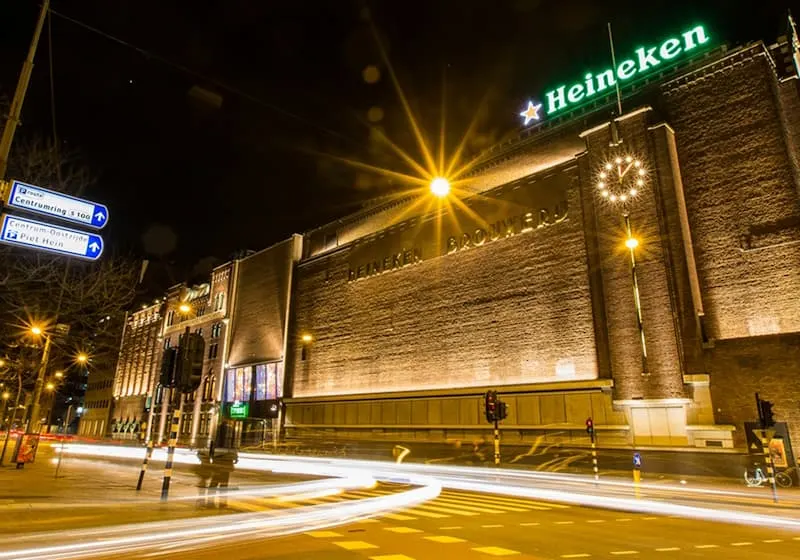
This neighborhood is also home to the old Heineken brewery, which locals use as a landmark and which is now known as the Heineken Experience.
The streets of De Pijp are also named after famous Dutch painters such as Ferdinand Bol and Vincent van Gogh.
Ruysdaelkade, a slice of the Red Light District
Amsterdam's Red Light District has a small «branch» in De Pijp. On Ruysdaelkade, named after the painter Salomon van Ruysdael, you'll find a handful of red-lit windows with sex workers offering their services.
Getting there
Metro: De Pijp station, line 52.
Trams: 3, 4, 12 and 24.